
Makeup Brushes: Buy Fewer, Choose Carefully
By Elisabeth Dhokia Editorial · Published · Updated
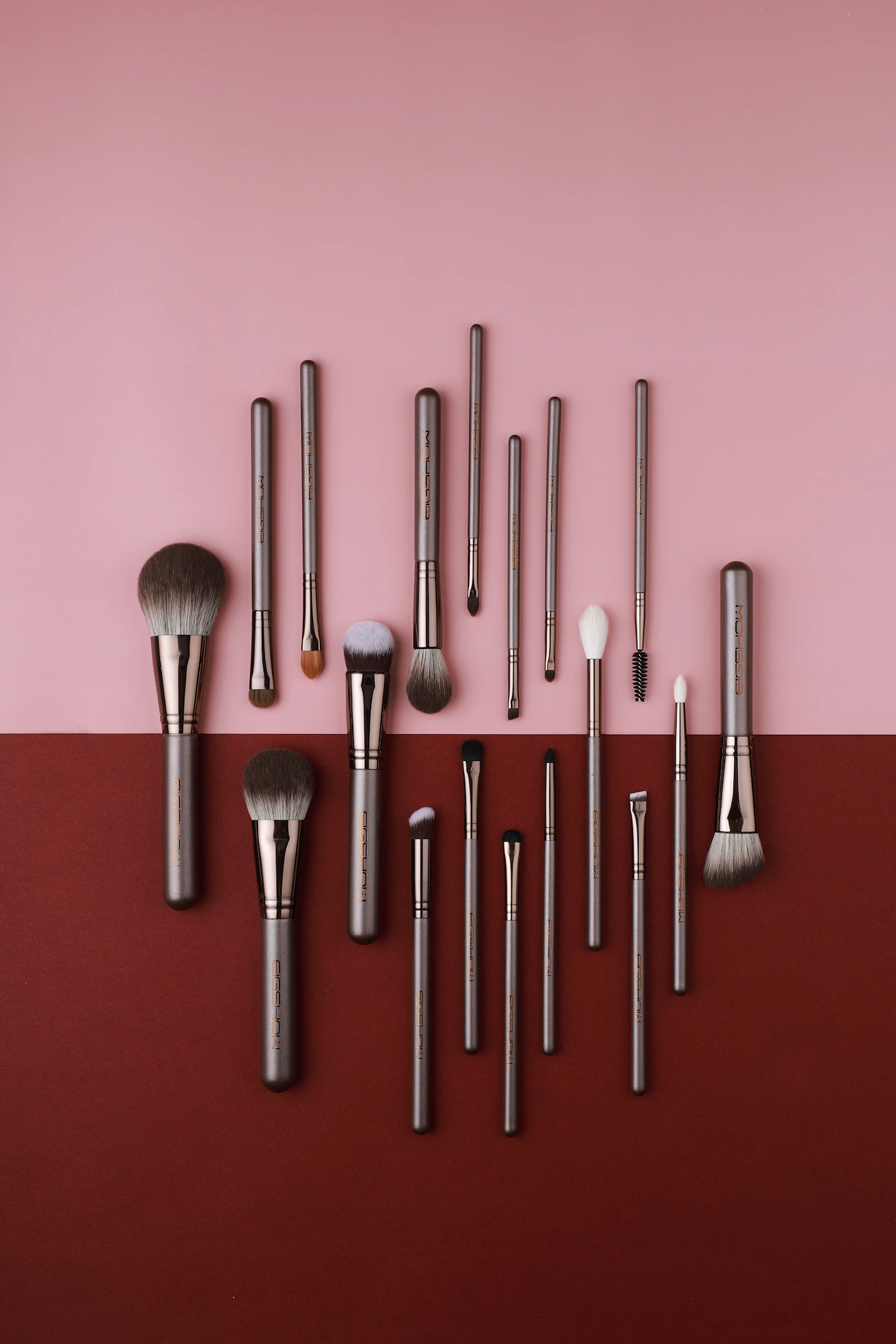
Illustrative lifestyle photograph · Source: Unsplash. Photography is not evidence of product testing.
Our guides offer editorial buying advice, not hands-on product-test results. Shopping links on this page are direct retailer links without affiliate tracking. Read our disclosure.
A large brush collection can look impressive while making an ordinary morning more confusing. If you use one blush, a simple eye color and a small amount of complexion makeup, a smaller selection may cover the routine well. Begin with products you actually apply. The right brush helps achieve the effect you want and is practical to maintain, rather than having the longest name or most elaborate handle.
Match shape to the task
A broad, soft brush spreads product differently from a compact, precise one. Think about the area you want to cover and how much control you need. For blush, a shape that fits comfortably around the cheek may be more useful than an oversized brush. For eye shadow, compare a brush for placing color with one for softening edges; you may need only the function your routine currently lacks.
Density also changes application. A densely packed head may place product more directly, while a looser shape may encourage a lighter effect. These are starting points, not guarantees. The formula, amount and pressure matter too. Where possible, inspect the brush in person and consider how it feels in your hand.
Evaluate construction and materials
Check whether the handle feels secure and whether the metal section holding the bristles appears firmly attached. Look at the shape from several angles. A travel cap can help, but make sure it protects the head without crushing it. A short handle saves space; a longer one may feel easier to control at a dressing table.
Read the material and care information supplied by the brand. Different bristles and construction methods can have different cleaning requirements. Do not assume a brush suits every cream or powder product because it is expensive. If you value particular materials, verify the description rather than relying on appearance. If buying online, clear photographs and a useful return policy can help reduce uncertainty.
Build a small working set
List the application steps you perform in a normal week. Assign an existing tool to each before buying. Perhaps you need one cheek brush and two eye brushes, while applying other products using their own applicators according to the directions. Someone with a detailed routine may need more. The number should follow the work.
A set can be economical when most brushes have a purpose for you. If half the shapes are unfamiliar and unnecessary, individual purchases may offer better value. Consider storage and maintenance as part of the cost. Every additional brush requires a place to dry and a place to live. Skip a large set purchased only to make the dressing table look complete.
Follow a manageable care routine
Use the brush maker's cleaning instructions and a suitable cleaning product. Pay attention to advice about water exposure, the area joining the head to the handle and drying position. Rinse as directed, reshape gently if recommended and allow the brush to dry fully before storing it. Do not return a damp brush to a closed pouch simply to clear the counter.
Inspect tools for damage or changes that affect use. This guide does not prescribe a universal cleaning interval: product instructions, usage and storage conditions differ. Keep your own tools separate and avoid improvised mixtures whose compatibility is unknown. Place the care information somewhere accessible so maintenance becomes part of ownership rather than an afterthought.
Questions before checkout
Do expensive brushes always apply makeup better?
No price point guarantees a good match. Shape, construction, comfort and suitability for your products are more useful criteria.
Can one brush serve several purposes?
Sometimes, if the shape and manufacturer guidance suit those tasks. Consider whether switching products creates unwanted color mixing.
What should I buy first?
Replace the tool that makes a regular step difficult. Our blush format guide helps decide whether a new cheek brush is necessary.
A place to start browsing
Browse colour cosmetics on the official store. Check current shade descriptions and ingredient lists; no product on this site has been independently wear-tested.
Direct retailer link. Check current prices, delivery costs, sizing and returns on the merchant’s website. Only buy if the item fills a gap you have identified.