
Plan a Week of Outfits From the Clothes You Own
By Elisabeth Dhokia Editorial · Published · Updated
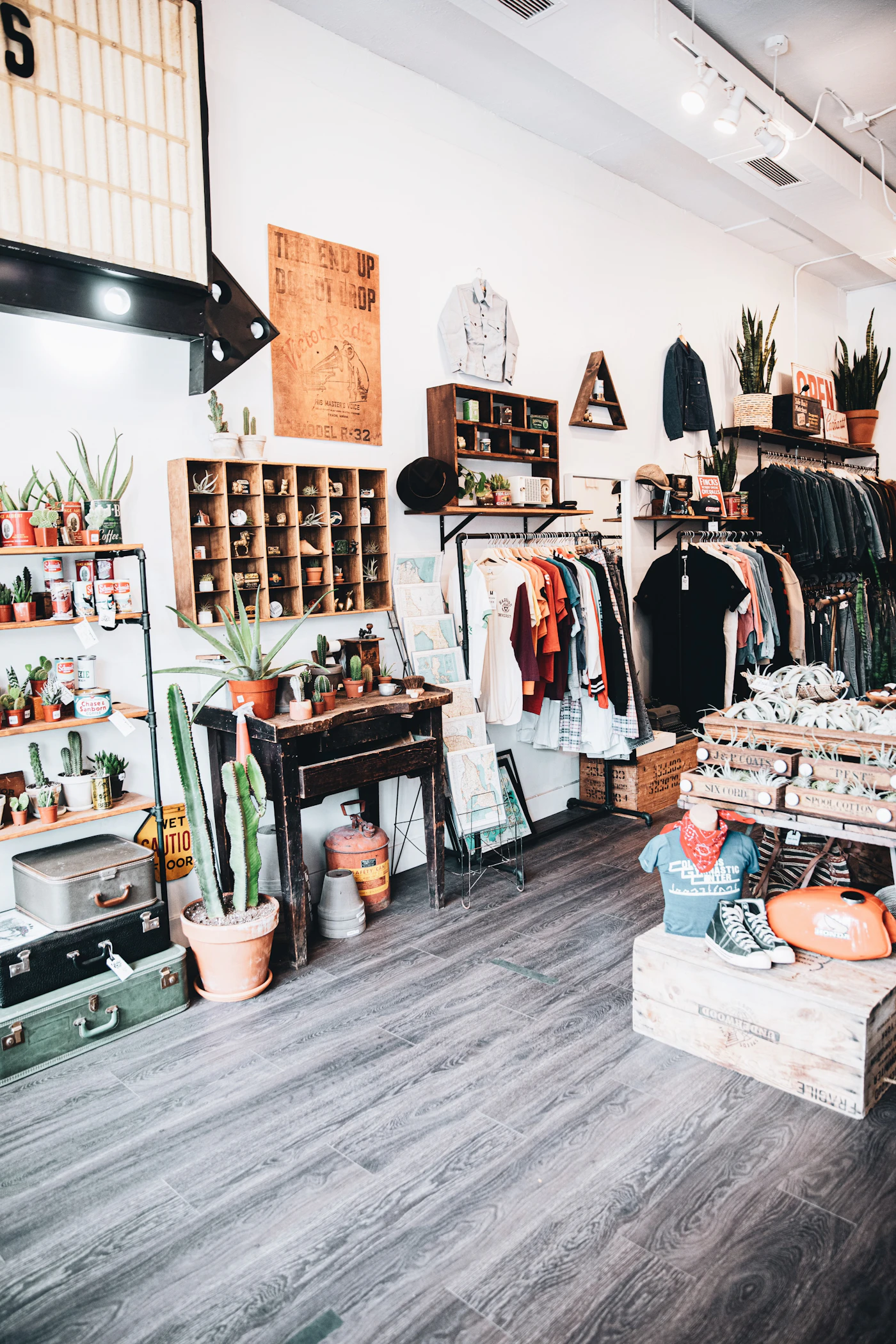
Illustrative lifestyle photograph · Source: Unsplash. Photography is not evidence of product testing.
Our guides offer editorial buying advice, not hands-on product-test results. Shopping links on this page are direct retailer links without affiliate tracking. Read our disclosure.
Monday morning is a poor time to discover that the trousers you planned to wear need attention and the only suitable shirt is in the wash. A short planning session reduces that friction without making getting dressed rigid. Begin with next week rather than your whole wardrobe. Look at actual appointments, weather expectations and the laundry routine, then assemble a few combinations that can adapt.
Read the calendar before the clothes
Note days with different demands: a long walk to a meeting, an evening event or a day mostly at home. Add practical requirements such as pockets, comfortable shoes or a jacket that fits over layers. Checking the forecast close to the day is more useful than assuming the season will behave as expected.
Then identify available clothing in suitable condition. If something needs washing, pressing or repair, put that task on a separate list. An outfit is ready only when its pieces can actually be worn. This distinction prevents the same unavailable garment from appearing in every imagined combination. Make sure the needed shoes are ready too.
Build around reliable pieces
Choose a few garments that fit and work for the week's main activities. Try complete outfits including shoes and the layer you will wear outdoors. A combination can look balanced without a coat and feel bulky once one is added. Sitting and moving can reveal problems that a hanger does not show.
Take a photograph if that helps you remember the pairing. The image is a private reference, not a performance. Record details such as which underlayer works with a blouse or which trouser length suits a particular shoe. Repeating a successful outfit is a sensible use of the wardrobe. You can keep a small album of combinations for rushed mornings.
Create alternatives instead of strict assignments
Plan an option for a colder day and one for an unexpected change. Perhaps the same trousers work with a fine knit and boots or a shirt and loafers. You do not need seven unrelated looks. A small group of compatible pieces offers flexibility while keeping decisions manageable.
Accessories can change the mood without replacing the foundation. A scarf, belt or different bag may be enough for an after-work plan. Keep choices practical: if a bag cannot hold daily essentials, it may be better reserved for evening rather than carried all day. Include it in the outfit check so nothing depends on guesswork.
Turn frustrations into a careful shopping list
Notice repeated obstacles. If several outfits lack a suitable everyday shoe, that may be a real gap. If one rarely worn skirt needs three new purchases before it works, buying around it may not be worthwhile. Write down the function you need before deciding on a product.
- Describe the occasion and weather the missing piece must handle.
- List existing items it should combine with.
- Set a budget including any alterations.
- Check whether repair, styling or borrowing solves the problem.
Use cost per wear as a supporting tool with realistic estimates. Skip shopping because an outfit photograph looks repetitive. Planning should make everyday clothes useful, rather than create a new purchasing obligation. If the week works smoothly, leave the shopping list alone until another clear need emerges.
Questions about planning
What if my schedule changes often?
Plan a pool of complete options by activity rather than assigning each outfit to a date. Keep one adaptable combination available.
Do I need a capsule wardrobe?
No. You can plan from a large or small collection. Start with pieces relevant to the coming week.
How much time should this take?
Keep the first session modest. Solving two difficult mornings is useful; refine the routine as you learn which combinations work.
A place to start browsing
A starting point for browsing vintage-inspired silhouettes. Compare the garment measurements, fabric and returns terms before ordering.
Direct retailer link. Check current prices, delivery costs, sizing and returns on the merchant’s website. Only buy if the item fills a gap you have identified.