
Loafers or Ballet Flats? Choose for the Day Ahead
By Elisabeth Dhokia Editorial · Published · Updated
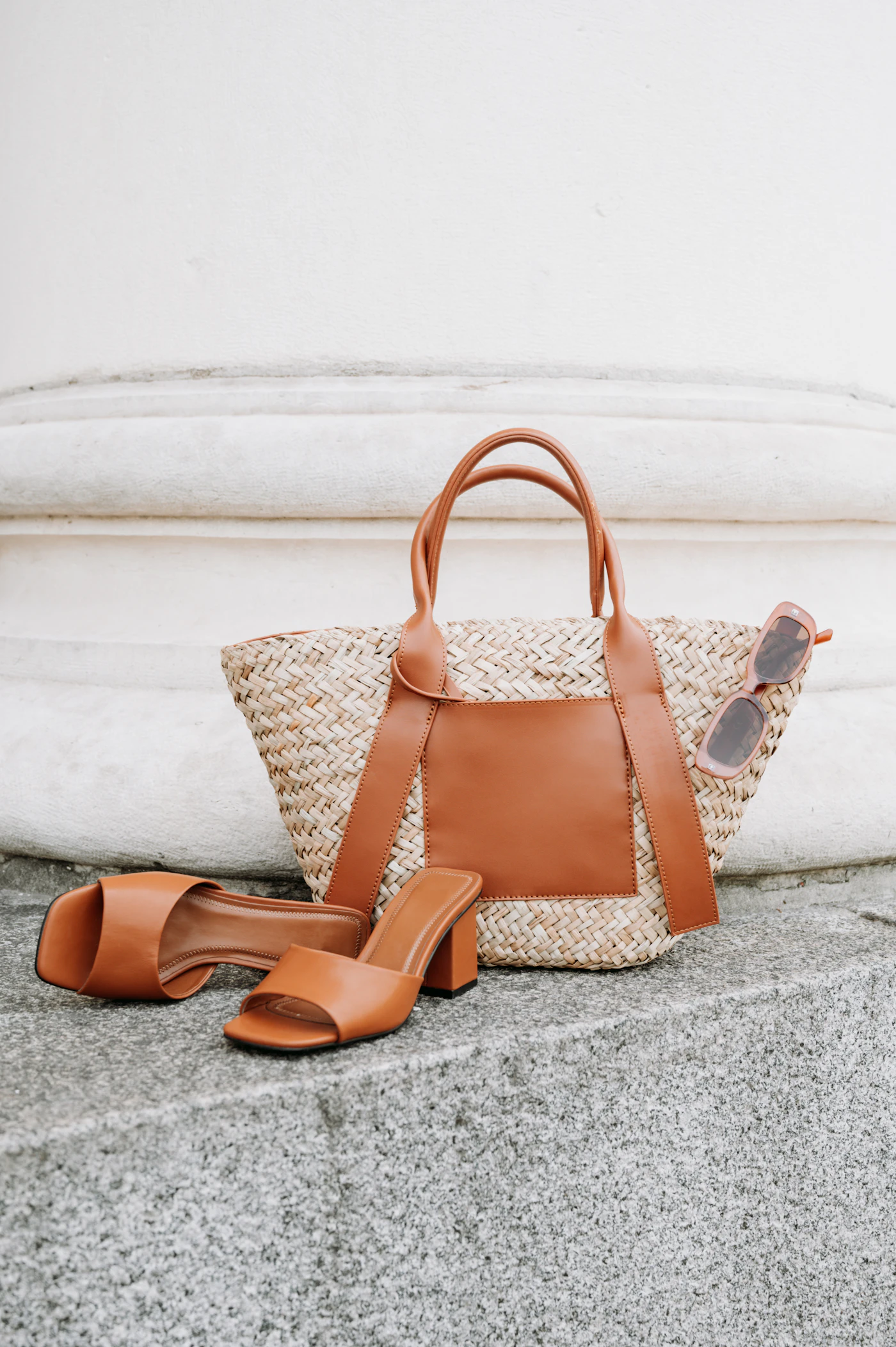
Illustrative lifestyle photograph · Source: Unsplash. Photography is not evidence of product testing.
Our guides offer editorial buying advice, not hands-on product-test results. Shopping links on this page are direct retailer links without affiliate tracking. Read our disclosure.
Loafers and ballet flats can both finish an easy outfit, but they solve different wardrobe problems. Imagine choosing shoes for commuting, a lunch appointment and several hours at a desk. The useful comparison starts with how each pair fits your feet and activities, rather than assuming one silhouette always looks more polished or feels more comfortable.
Start with the walking you expect
A short drive to lunch creates different demands from a cross-town journey on foot. Think about surface, weather and time spent standing. Neither the word loafer nor the word ballet flat guarantees support, grip or comfort. Those qualities depend on the specific shoe and how it works for you.
Try shoes at a time that reflects your usual fit, and wear the hosiery or socks you intend to use. Walk naturally, turn and stand for a moment. Notice slipping at the heel, pressure across the toes and rubbing around the edge. Do not buy an uncomfortable pair solely because you expect it to transform after a break-in period.
When a loafer may suit the outfit
A loafer can add visual weight to tailored trousers, straight jeans or a simple skirt. Its shape often makes socks feel like an intentional part of the outfit, which can be useful in cooler weather. Try the shoe with the actual trouser hem; a bulky profile may need a different length from a slim flat.
The tradeoff can be weight, stiffness or a high upper that presses against the foot. These are not inevitable, but they deserve a fitting check. An elaborate buckle or trim may reduce versatility if your clothes already have strong decorative details.
When a ballet flat may suit the outfit
A ballet flat can create a lighter line with a midi skirt, cropped trousers or a simple dress. It may pack conveniently for a change of shoes, depending on construction. A plain pair can sit quietly beneath patterned clothes, while a distinctive colour can become the outfit's main accent.
A low-cut edge may slip or rub, and a very flexible sole may not suit every walking day. Check the shape around the toes and security of the heel rather than choosing only by softness. A strap may help some wearers, but its position and fastening also need to feel comfortable.
Compare the actual pairs
- Can you walk without gripping with your toes to hold the shoe on?
- Does the toe shape leave sufficient room without excessive slipping?
- Is the sole appropriate for your regular surfaces and conditions?
- Will the shoe work with at least two existing outfits?
- Do the care instructions fit your routine?
Buying advice and what to skip
Prioritise fit over a trend-led colour. A shoe filling a genuine gap is more useful than a duplicate that photographs slightly differently. Read return conditions before an online purchase and keep indoor try-ons within those conditions. If you have particular foot concerns, seek advice appropriate to those needs rather than relying on styling recommendations.
Skip buying both silhouettes merely to cover every possible look. Begin with the pair that fits your most common day, then reassess whether another shoe would serve a distinct purpose. A familiar, sound pair may already be the better option.
Frequently asked questions
Which is better for an office?
Either can work, depending on the dress code and specific design. Use office expectations and your comfort as the guide.
Can I wear socks with ballet flats?
Yes, if you enjoy the combination and the fit accommodates them. Try it with the full outfit rather than judging the shoe in isolation.
Use these ideas with the weekend capsule guide, or browse Outfit Ideas.
A place to start browsing
A starting point for browsing vintage-inspired silhouettes. Compare the garment measurements, fabric and returns terms before ordering.
Direct retailer link. Check current prices, delivery costs, sizing and returns on the merchant’s website. Only buy if the item fills a gap you have identified.