
A Practical Inspection Checklist for Secondhand Clothes
By Elisabeth Dhokia Editorial · Published · Updated
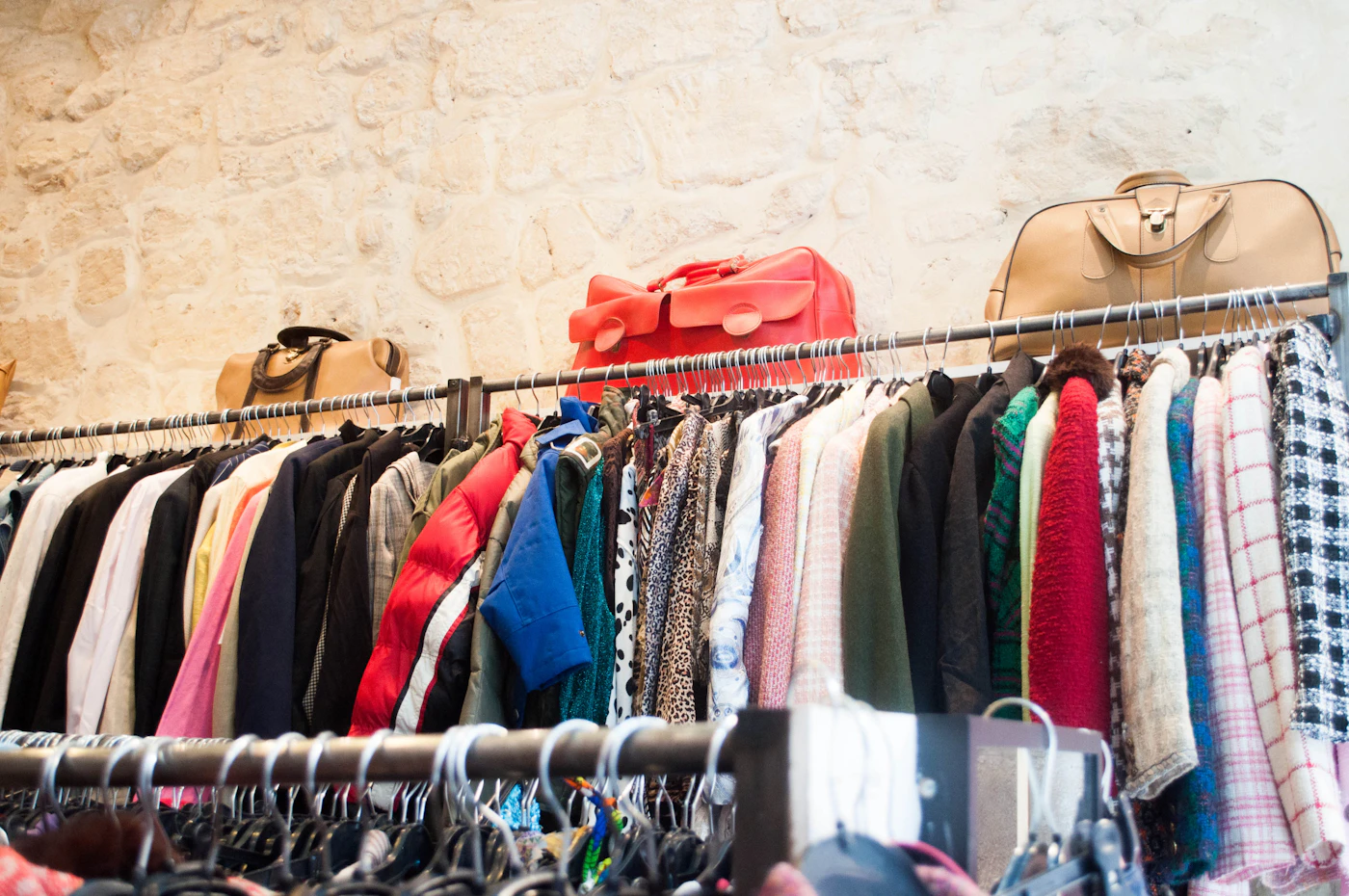
Illustrative lifestyle photograph · Source: Unsplash. Photography is not evidence of product testing.
Our guides offer editorial buying advice, not hands-on product-test results. Shopping links on this page are direct retailer links without affiliate tracking. Read our disclosure.
A promising secondhand jacket can disappear quickly on a busy shop rail, making it tempting to buy before looking closely. Slow down for a few minutes. The goal is not an impossible flawless garment, but understanding its condition and whether the price, fit and likely work make sense. A small repair may be worthwhile; a complicated alteration can turn an apparent bargain into a project you never finish.
Look at the whole garment first
Hold it in good light and compare both sides. Check whether the shape hangs evenly and whether there are marks, fading or areas of wear. Some variation may be part of its character, but decide whether you are comfortable wearing it as it is. Do not assume every mark will wash out.
Read available fiber and care labels. Missing labels are common in older clothing, which means material and maintenance may be uncertain. Treat a seller's description as something to evaluate rather than a guarantee. If a fabric requires care you cannot manage, the garment may be unsuitable despite its appeal. Ask questions before buying when the information changes your decision.
Inspect the places that work hardest
Look around underarms, cuffs, collars, hems and pocket openings. Check seams for separation and inspect the lining. Turn the garment carefully rather than pulling at fragile areas. With knitwear, look for holes, stretched areas and wear around elbows. With trousers, inspect the seat and inner leg seams.
Open and close zips, buttons, hooks and snaps where permitted. Count buttons and check whether replacements would need to match a distinctive set. A simple missing button differs from a broken fastening requiring specialist work. Inspect belts and detachable parts so you know what is included. Check pockets for damage rather than assuming the outer appearance tells the whole story.
Assess fit through movement
Try the garment if the shop allows it. Sit, move your arms and check it with expected layers. Size labels are only a starting point, especially across different decades and brands. Shoulder position, sleeve comfort and the way a waistband sits may matter more than the number inside.
Online, review clear measurements and compare them with a similar garment that fits. Understand how the seller measured. Look for photographs of important condition areas, and read return terms before paying. A low price does not remove the uncertainty of limited information. If a necessary detail is missing, ask rather than filling the gap with an optimistic guess.
Price the work honestly
Separate easy tasks you can confidently do from repairs needing professional advice. If alteration is essential, obtain a realistic estimate where possible before buying. Consider cleaning, missing parts and your time alongside the purchase price. Avoid promising yourself you will learn a complex repair simply because the garment is attractive.
- Buy with a specific outfit or wardrobe purpose in mind.
- Accept visible wear only when you are happy with it.
- Be cautious about unidentified stains and uncertain structural damage.
- Walk away when fit depends on several speculative changes.
Our outfit planning guide helps identify the gap a find should fill. For value, use realistic cost per wear after including necessary work. Take time to compare that total with other available options.
Secondhand shopping questions
Is an older garment automatically better made?
No. Evaluate the individual item, construction and present condition. Age alone does not establish quality.
Should I buy something that almost fits?
Only when the required change is understood and worthwhile. A vague hope that tailoring fixes everything is a weak basis for buying.
Does this checklist establish authenticity?
No. For branded purchases, seek documentation or a credible authentication process where relevant. General condition checks do not establish authenticity or valuation.
A place to start browsing
A starting point for browsing vintage-inspired silhouettes. Compare the garment measurements, fabric and returns terms before ordering.
Direct retailer link. Check current prices, delivery costs, sizing and returns on the merchant’s website. Only buy if the item fills a gap you have identified.